Staphylococcus aureus – Risks and Prevention in the Food Industry
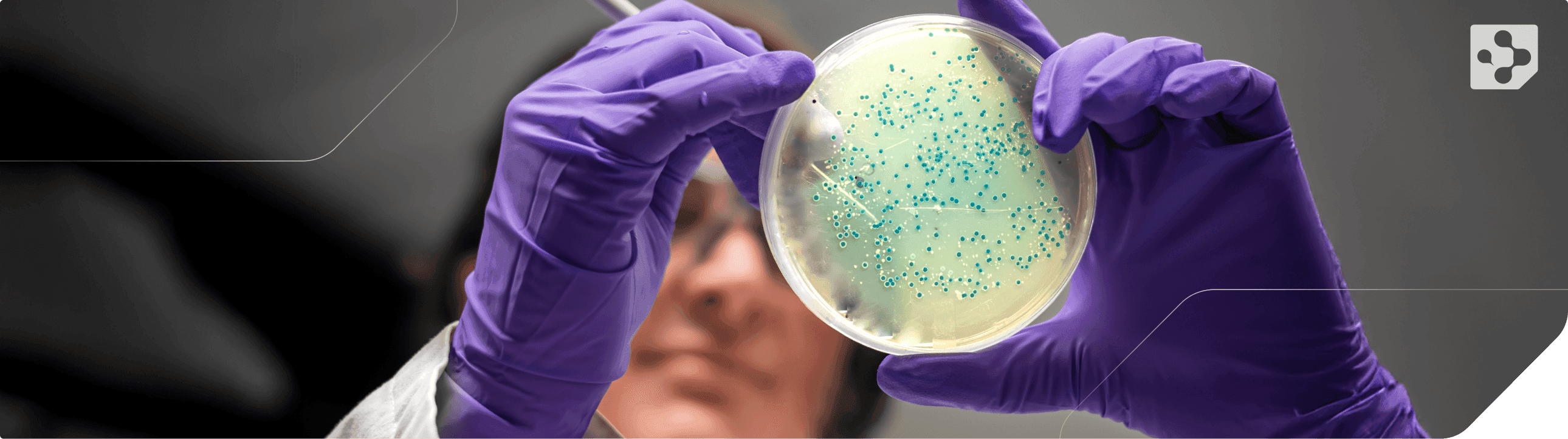
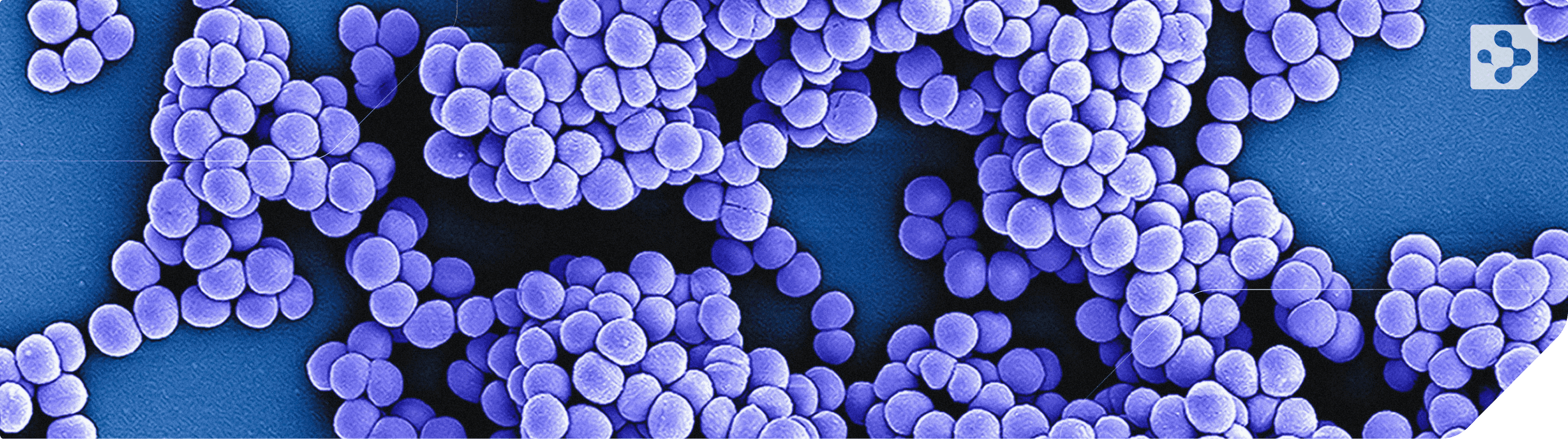
Staphylococcus aureus is a Gram-positive bacterium that naturally inhabits the skin and mucous membranes of humans and animals. Although it is part of the normal microflora, in the food industry it represents a significant microbiological hazard because it can produce toxins that cause food poisoning.
Food contamination with this pathogen can have serious health and economic consequences, making timely control and prevention essential.
How Does Food Contamination Occur?
S. aureus most commonly enters food through:
Food handlers’ hands, especially if they are carriers (in the nose or throat) or have skin lesions
Contaminated equipment (knives, cutting boards, containers)
Insufficiently heat-treated food
Improper storage at room temperature
Due to the bacterium’s ability to produce heat-stable toxins (which remain active even after cooking), the risk of poisoning is particularly high.

High-Risk Foods
Milk and dairy products
Meat products (especially cured meats and cooked dishes)
Cream-filled pastries
Salads and cold dishes without further heat treatment
Symptoms of Food Poisoning Caused by S. aureus
Nausea and vomiting
Abdominal cramps
Diarrhea
Symptoms usually occur 2–6 hours after consumption of contaminated food and, in most cases, resolve within 24 hours. In children, the elderly, and immunocompromised individuals, symptoms can be more severe.
How to Reduce the Risk in the Food Industry
1. Hygiene of work surfaces and equipment
Regular disinfection of work surfaces
Monitoring cleaning efficiency using surface swabs
2. Proper food storage
Keep food above 60°C or below 5°C if not consumed within 2 hours
Separate raw from ready-to-eat food
3. Employee training
Correct food preparation and storage practices
Hand and equipment hygiene
4. Regular microbiological testing
Analysis of raw materials and finished products
Monitoring microbiological cleanliness of surfaces and equipment
5. Employee health checks
Screening for carriers (nose and hand swabs)
No work for employees with open wounds or respiratory symptoms
Regulatory Requirements and Microbiological Criteria
In the European Union, there are clearly defined microbiological criteria for the presence of S. aureus in specific types of food.
If test results show concentrations above the permitted limits, the product is considered unfit for consumption.
Conclusion
Staphylococcus aureus is one of the most common causes of food poisoning worldwide. Although cooking can destroy the bacterium, the toxins it produces remain active after heat treatment.
This is why strict hygiene standards, continuous employee training, and regular microbiological monitoring are essential to protect consumers and maintain food safety.
🔬 At Sample Control Laboratory, we provide microbiological testing of food for the detection of Staphylococcus aureus in compliance with current EU regulations. Contact us for a food safety check of your products.
Laboratory compost analysis – an essential service in sustainable bio-waste management
Compost analysis has become an indispensable part of quality control processes in bio-waste management and the production of organic fertilizers. This service is now also available at Sample Control laboratory, which brings over ten years of experience in the field of analytical testing and quality assurance. Whether for municipal or industrial composting, proper laboratory analysis ensures the safe use of compost for agricultural and non-agricultural purposes, while meeting regulatory and market requirements.
Reliable Celery Allergen Detection: Application of the PCR Method in Food Analysis
Allergens represent a serious risk to consumer health, and according to European Regulation (EU) No. 1169/2011, celery is one of the 14 mandatory allergens that must be clearly labeled. For food manufacturers and distributors, precise and sensitive analysis of the presence of celery is crucial for legislative compliance and protecting the public health of consumers.